Inside the Musical Life and Global Success of Wizkid
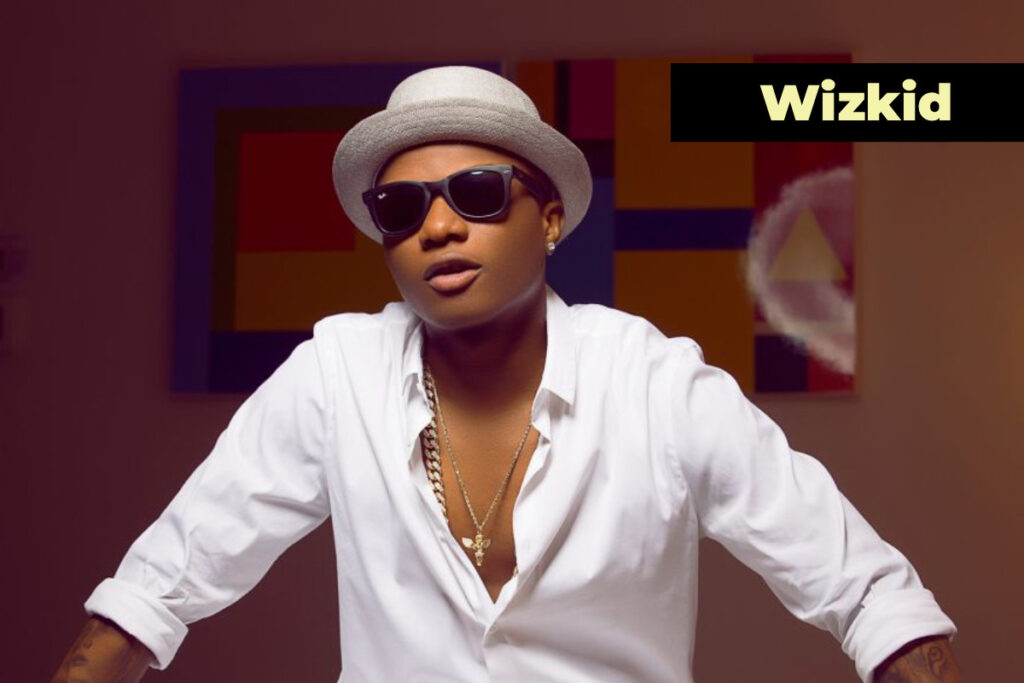
Wizkid (Star Boy)
When you think of African music and the musicians shaping global pop culture, Wizkid is one of the names that stands above the rest.
Born Ayodeji Ibrahim Balogun on July 16, 1990, in Surulere, Lagos, Nigeria, Wizkid has transformed from a boy singing in a church choir to a Grammy-winning superstar whose sound echoes in stadiums across every continent.
His journey is a story of talent, resilience, and an unshakeable belief in the power of African music.
Wizkid is 36 years old as of 2026 and shows no signs of slowing down.
From the streets of Ojuelegba to sold-out shows at London’s Tottenham Hotspur Stadium, he has redefined what African artistry means on the world stage.
His collaboration with Drake on One Dance in 2016 made music history and his hit Essence with Tems became the first Nigerian song to chart on the Billboard Hot 100.
Wizkid’s 2024 album Morayo broke Spotify streaming records for any African project.
Understanding Wizkid means understanding a cultural revolution. He did not simply make great music. He has widened a door through which an entire generation of African artists now walks.
Today, Wizkid holds Grammy Awards, Billboard chart records, and high-profile collaborations with Beyonce, Drake, and Justin Bieber.
His journey from a Lagos studio to international arenas is one of the most inspiring stories in modern music. This section traces that career, album by album and milestone by milestone.
Early Life and Background
Ayodeji Ibrahim Balogun grew up in Ojuelegba, a neighbourhood in the Surulere area of Lagos, Nigeria.
His birth on July 16, 1990, placed him squarely in one of Africa’s most vibrant and musically rich cities.
Lagos is a city where music is a way of life, and its influence on the young Wizkid proved undeniable from a very early age.
Wizkid grew up in a large interfaith household. His mother was a Pentecostal Christian, while his father practised Islam.
His father had three wives, and Wizkid was raised alongside twelve female siblings. Being the only son in such a household shaped his character.
It gave him both discipline and an awareness of people that later coloured his songwriting deeply. His home was rich in culture, religion, and love.
| KEY FACT | Wizkid’s real name is Ayodeji Ibrahim Balogun, born July 16, 1990, in Lagos, Nigeria. |
Musical Background and Education
Music surrounded him from childhood. He grew up listening to legendary Nigerian musicians such as King Sunny Ade and Fela Kuti.
He also absorbed the reggae rhythms of international icon Bob Marley. These three artists laid the sonic foundation on which Wizkid would later build his own distinctive sound.
His church background also introduced him to gospel rhythms and harmonies that would later surface in his melodies.
Ayodeji Ibrahim Balogun (Wizkid) attended Ijebu Ode Grammar School, where he continued to balance academic work with his growing passion for music.
His family did not always support his musical ambitions, but nothing could dampen his fire.
Wizkid briefly enrolled at Lagos State University in 2009 but dropped out to chase his musical dream. He later attended Lead City University in Ibadan but left after two sessions.
His decision to leave university and pursue music full-time surprised many people around him. Some questioned whether abandoning formal education was wise for a teenager.
But Wizkid’s conviction never wavered. Education was never his final destination. Music always was.
He believed in his talent, and that belief ultimately reshaped the direction of African popular music.
The First Steps Into Music
At just eleven years old, Wizkid took his first bold step into music. He formed a group called the Glorious Five with a few of his church friends.
The group recorded and released a collaborative gospel album while still in school.
The album did not achieve commercial success, but it gave the young Ayodeji his first taste of the recording studio and the craft of making music.
Between 2001 and 2006, he performed as a solo artist under the stage name Lil Prinz. This was a critical period of personal development and musical exploration.
A turning point came when he met veteran Nigerian record producer OJB Jezreel. OJB encouraged Wizkid but also asked him to wait and observe before recording seriously.
During his frequent visits to OJB’s Point Beat Studios, Wizkid watched musical icons like 2Face Idibia and Sound Sultan record their albums.
These experiences gave him a masterclass in professionalism and artistry. He also received mentorship from rapper Naeto C around age fifteen, which proved extremely valuable.
Starboy: The Career Evolution of Wizkid
Wizkid has forged a career defined by relentless growth, consistency, and global dominance.
His journey, from his explosive rise in the Nigerian music scene to his status as an international icon, reflects a rare fusion of raw talent and strategic vision.
This evolution reveals the pivotal stages that refined his sound and expanded his reach, cementing his place as a pioneer of modern African music.
He began as a young artist with a distinct, magnetic voice and quickly captured the world’s attention with a string of breakthrough hits.
Over the years, he has blended Afrobeats with global rhythms while collaborating with international stars and staying firmly rooted in his origins.
Signing His First Record Deal: The EME Years (2009-2011)
This period marked the true beginning of Wizkid’s rise in the Nigerian music industry.
After signing his first professional record deal with Empire Mates Entertainment in 2009, under the leadership of Banky W, he gained the platform that shaped his early sound and career direction.
Shortly after signing, he co-wrote the song Omoge You Too Much for Banky W.’s album The W Experience, showing his songwriting ability from the start.
During this period, he wrote songs, collaborated with well-known Nigerian artists such as Naeto C, Ikechukwu, and M.I Abaga, and made important personal decisions that reflected his commitment to music.
| KEY FACT | Wizkid signed his first record deal with Empire Mates Entertainment (EME) in 2009. |
Holla at Your Boy: The Song That Introduced Wizkid to Nigeria
Wizkid began recording his debut studio album, Superstar, in 2009. He released ‘Holla at Your Boy’ as the album’s lead single on January 2, 2010.
The song made an immediate impact across Nigerian radio stations and music platforms. Listeners responded warmly to his smooth delivery and catchy hooks.
The single earned Wizkid a nomination for Best Pop Single.
At The Headies 2011, he won the prestigious Next Rated award, one of Nigeria’s most celebrated music honours.
The organisers also gifted him a 2012 Hyundai Sonata as part of the prize. Its music video received a nomination for Most Gifted Newcomer at the 2011 Channel O Music Video Awards.
Two more singles followed before the album’s full release.
‘Tease Me/Bad Guys’ arrived on April 2, 2010, initially as a freestyle rap. ‘Don’t Dull’, the album’s third single, dropped on December 6, 2010.
Each release built growing anticipation for the full album.
Superstar Album: Wizkid’s Debut Conquest (2011)
Wizkid released his debut studio album, Superstar, on June 12, 2011, through Empire Mates Entertainment.
The album was recorded in both English and Yoruba, reflecting his cultural roots. Its sound drew from Afrohipop, R&B, dancehall, and reggae, creating a fresh fusion that Nigeria had not heard before.
During the recording process, Wizkid worked with top Nigerian producers including E-Kelly, Jay Sleek, Shizzi, DJ Klem, Masterkraft, Q-Beats, and Samklef.
Guest artists on the album included Banky W., Skales, D’Prince, and Wande Coal. Their contributions added depth and variety to the project.
Wizkid hosted a star-studded launch party at the Expo Hall of the Eko Hotel and Suites in Lagos.
Performances came from 2face Idibia, Olamide, Ice Prince, Jesse Jagz, Lynxxx, Seyi Shay, and many others. The event underscored how much Nigerian music’s elite had embraced the young star.
Superstar won Best Album of the Year at the 2012 Nigeria Entertainment Awards. The Headies 2012 also nominated it for Album of the Year.
The debut album instantly positioned Wizkid as a leading voice in the new generation of Nigerian music.
| KEY FACT | Wizkid’s debut album Superstar was released on June 12, 2011, and won Best Album at the 2012 Nigeria Entertainment Awards. |
International Growth: Ayo Album and Global Tours (2012-2014)
During this period, Wizkid entered a defining phase of his career as he expanded beyond Nigeria and began building a strong international presence.
Through major tours, global performances, and high-profile collaborations, he introduced his sound to wider audiences and gained recognition on the world stage.
He also worked on his second studio album, Ayo, a project that reflected his growth, ambition, and evolving artistry.
These years marked a turning point, as his influence spread across continents and laid the foundation for his emergence as a global music force.
London, BBC, and the EME Compilation
In 2012, Wizkid took his career international with a notable tour of London. He performed at the iconic Hammersmith Apollo on June 4, 2012, marking his arrival on the UK concert circuit.
That year, he also collaborated with Banky W., Skales, Shaydee, and Niyola on the EME compilation album Empire Mates State of Mind.
Following the compilation’s release, EME acts embarked on a major tour across the United States and Canada.
The tour ran from July to September 2012, covering cities including Houston, Dallas, Toronto, Vancouver, New York City, Atlanta, Washington D.C., and Chicago.
The exposure expanded Wizkid’s fanbase beyond Africa significantly.
On November 12, 2012, he performed at the BBC Radio 1Xtra Live O2 Academy in Brixton alongside global acts such as Trey Songz, Tulisa, Kendrick Lamar, and Angel.
Sharing a stage with internationally recognised names confirmed that Wizkid belonged on the world stage.
Recording Ayo: A Second Chapter
Between 2012 and 2014, Wizkid worked on his second studio album, Ayo, which means ‘joy’ in Yoruba.
The project featured guest appearances from Femi Kuti, Banky W., Seyi Shay, Phyno, Tyga, Akon, and Wale.
Top producers including Sarz, Shizzi, Del B, Maleek Berry, Legendury Beatz, and Spellz handled the production.
The album was originally titled Chosen before Wizkid renamed it. Its release was delayed several times.
On May 2, 2013, he released ‘Jaiye Jaiye’ as the lead single, featuring Grammy-nominated musician Femi Kuti.
Wizkid later explained that he collaborated with Femi Kuti to show musical depth beyond typical topics.
The second single, ‘On Top Your Matter’, produced by Del B, dropped on October 26, 2013. Its music video was directed and shot in South Africa by director Sesan.
In February 2014, Wizkid became the first Nigerian musician to surpass one million followers on Twitter, showing his massive growing fanbase.
Global Connections: Rihanna, Tinie Tempah, and More
In July 2014, Wizkid visited The Beat 99.9 FM studio in Lagos and publicly revealed that he had collaborated with Barbadian superstar Rihanna.
The announcement generated major excitement across social media platforms and entertainment blogs.
Wizkid also received an invitation to perform as a special guest on Tinie Tempah’s UK tour in 2014.
These collaborations and appearances signalled that Wizkid had outgrown the Nigerian music scene alone. International artists and promoters were actively seeking his involvement in projects.
His growing global visibility set the stage for an even bigger breakthrough that was just around the corner.
Global Breakthrough (2015-2016)
This period marked a major turning point in the international rise of Wizkid.
Between 2015 and 2016, his music began reaching wider global audiences, driven by powerful storytelling, strategic collaborations, and increasing recognition from major international artists.
Songs like Ojuelegba highlighted his personal journey and connected deeply with listeners, while global collaborations with artists such as Drake and Skepta introduced his sound to new markets.
The momentum grew even stronger with his contribution to One Dance, which became a historic global hit and elevated Wizkid’s profile on the international stage.
These milestones signaled the beginning of his transformation from a regional star into a globally recognized figure in modern African music.
| KEY FACT | Wizkid’s feature on Drake’s ‘One Dance’ made him the first Nigerian artist on Billboard’s Twitter chart. |
Ojuelegba: The Heartfelt Anthem That Caught Drake’s Attention
Wizkid released the music video for ‘Ojuelegba’ on January 5, 2015. The song told the story of his early struggles in the Lagos neighbourhood of Ojuelegba.
Its raw honesty resonated deeply with listeners in Nigeria and across the African diaspora. Fans connected with the vulnerability and authenticity in his storytelling.
The official remix of ‘Ojuelegba’ became a defining career moment. Canadian rapper Drake and British grime artist Skepta added their vocals, and the remix premiered on OVO Sound Radio in July 2015.
Drake’s involvement in the remix sparked enormous international interest in Wizkid and his music.
Also in 2015, Wizkid confirmed ‘African Bad Gyal’ with Chris Brown as the lead single for his upcoming third studio album.
In April 2015, both artists performed the song live at Brown’s concert in Durban, South Africa. Wizkid also joined Chris Brown’s ‘One Hell of a Nite’ world tour in May 2015.
Drake, and One Dance: Nigeria’s Biggest Global Hit
On April 5, 2016, Wizkid became the first Nigerian artist listed on Billboard’s Twitter Last 24 Hours chart.
This achievement followed his guest feature on Drake’s Afrobeats-influenced song ‘One Dance’. The song entered the Billboard Hot 100 chart at number 21.
On May 12, 2016, ‘One Dance’ climbed to number one on the Billboard Hot 100. The song held that position for ten non-consecutive weeks, one of the longest chart reigns of the year.
It also topped charts in 15 countries, including the United Kingdom, Canada, Australia, France, and Germany.
The song became Wizkid’s first number-one single as a featured artist across multiple international territories. Its success was historic for African music globally.
No Afrobeats artist had reached such heights on mainstream international charts before Wizkid achieved it with ‘One Dance’.
| KEY FACTS | ‘One Dance’ reached number one on the Billboard Hot 100 for ten non-consecutive weeks in 2016. |
RCA Records and Sounds from the Other Side (2017)
A Major Label Deal and a New Chapter
In March 2017, Wizkid signed a record deal with RCA Records, one of the world’s most powerful music labels.
The signing marked a new chapter in his international career. It gave him wider distribution and promotional support across global markets.
Few Nigerian artists had reached this level of major label recognition.
On July 14, 2017, Wizkid released his third studio album, Sounds from the Other Side (SFTOS).
The album was primarily Caribbean-influenced but blended Afrobeats, electronic dance music (EDM), R&B, and house music into a cohesive sound.
It was a bold creative statement about Wizkid’s international ambitions.
The album featured guest appearances from Drake, Major Lazer, Chris Brown, Ty Dolla Sign, Efya, Bucie, and Trey Songz.
Production came from Sarz, Del B, Spellz, Dre Skull, DJ Mustard, Major Lazer, and the Picard Brothers. It was available on Apple Music, Spotify, Amazon Music, Deezer, and Google Play.
Chart Performance and Key Singles
Sounds from the Other Side debuted at number 107 on the US Billboard 200. It also debuted at number 58 on the Canadian Albums Chart.
These chart positions demonstrated that Wizkid had a real commercial audience beyond Africa and the UK.
Three singles preceded the album’s release: ‘Daddy Yo’ featuring Efya, ‘Sweet Love’, and ‘Come Closer’ featuring Drake. ‘African Bad Gyal’ was released with the album’s pre-order on June 9, 2017.
A promotional track, ‘Naughty Ride’, followed on June 23, 2017.
The album represented a conscious step toward international crossover appeal. Wizkid did not abandon his African roots.
Instead, he expanded his sonic palette to connect Afrobeats with a broader global audience in a way that felt natural and authentic.
Guinness World Records and Global Collaborations (2018)
Wizkid made history in 2018 by becoming the first Afrobeats artist to appear in the Guinness World Records.
His recognition came through his contribution to ‘One Dance’ with Drake, which was one of the best-performing singles in recorded music history.
The achievement placed Wizkid alongside some of the biggest names in global pop music.
His song ‘Soco’ became his first Afrobeats single to receive gold certification in Canada. The certification showed that his appeal in North America was growing steadily beyond just streaming numbers.
Canadian music fans were actively purchasing and streaming his music at record levels.
Later in 2018, Wizkid appeared on Normani and Calvin Harris’s collaborative EP, Normani x Calvin Harris.
His feature was on the song ‘Checklist’, which peaked at number one on the Billboard World Digital Song Sales chart. The achievement added another chart-topping credit to his already impressive record.
| KEY FACT | Wizkid became the first Afrobeats artist in the Guinness World Records in 2018. |
Beyonce, Grammy Glory, and More (2019)
Brown Skin Girl: A Grammy-Winning Collaboration
In mid-2019, Wizkid landed what many consider one of his most significant career moments.
He was featured on Beyonce’s song ‘Brown Skin Girl’, which appeared on the critically acclaimed Lion King: The Gift soundtrack. The song celebrated the beauty of dark-skinned women across Africa and the diaspora.
‘Brown Skin Girl’ earned Wizkid two Soul Train Music Awards and an NAACP Image Award. The song also won a BET Award.
Most importantly, it earned him his first Grammy Award for Best Music Video at the 63rd Grammy Awards. Winning a Grammy placed Wizkid in the highest tier of global music achievement.
Later that year, Wizkid released two fresh singles: ‘Joro’ and ‘Ghetto Love’. Both songs performed well across African music charts.
On December 6, 2019, his label Starboy Entertainment released the EP Soundman Vol. 1, featuring guest appearances from Chronixx and several other artists.
| KEY FACT | He won his first Grammy Award for Best Music Video in 2021 for ‘Brown Skin Girl’ with Beyonce. |
Made in Lagos: Wizkid’s Masterpiece Album (2020)
A Love Letter to Lagos and Africa
In 2020, Wizkid appeared on several collaborations, including ‘Escape’ by Akon and a duet with American singer H.E.R. titled ‘Smile’.
He also released ‘No Stress’ on September 17, 2020, using the single to announce his highly anticipated fourth studio album. Fans across the globe counted down to the release.
Wizkid originally planned to release Made in Lagos on October 15, 2020.
However, he postponed the launch out of respect for the Nigerian End SARS protests, a national movement against police brutality. The album ultimately dropped on October 30, 2020.
The decision to delay showed his awareness of social responsibility.
Made in Lagos became the most celebrated album of his career. One of its singles, ‘Essence’, became the first Nigerian song to chart on the US Billboard Hot 100.
The album received a nomination for the Rest of Africa Award at the 27th South African Music Awards. Critics and fans alike hailed it as a defining moment for Afrobeats globally.
Essence with Justin Bieber: Africa’s Highest Chart Peak
On August 13, 2021, Wizkid released a remix of ‘Essence’ featuring Canadian superstar Justin Bieber.
The remix became the highest-charting song on the Billboard Hot 100 by an African artist, peaking at number 11 on October 4, 2021.
The achievement rewrote the record books for African music’s presence on American charts.
In November 2021, the 64th Grammy Awards nominated Wizkid for two awards: his album Made in Lagos received a Best Global Music Album nomination, and ‘Essence’ earned a Best Global Music Performance nomination.
No Nigerian solo album had previously reached this level of Grammy recognition.
That same month, Wizkid received four Soul Train Awards nominations. He won one award, taking home Best Collaboration for ‘Essence’.
The song had officially become one of the most successful Afrobeats records in history, with fans around the world still streaming it daily.
More Love, Less Ego: Wizkid’s Fifth Studio Album (2022)
On the first anniversary of Made in Lagos, Wizkid announced his fifth studio album, More Love, Less Ego. He initially planned to release it on January 22, 2022, at the close of his Made in Lagos world tour.
The album promised a more personal and introspective sound compared to his earlier work.
In June 2022, Chris Brown released the single ‘Call Me Every Day’, which featured Wizkid. The song won the NAACP Image Award for Outstanding Duo or Group (Contemporary).
It showcased the continued chemistry between the two artists who had collaborated successfully over the years.
In September 2022, Wizkid headlined the Rolling Loud music festival in Toronto. He became the first African artist in history to headline Rolling Loud.
The feat demonstrated his standing as a genuine global headliner. On November 11, 2022, Wizkid officially released More Love, Less Ego to widespread acclaim.
Morayo and the Ongoing Legacy (2024-2026)
Piece of My Heart and the Morayo Album
On October 18, 2024, Wizkid released ‘Piece of My Heart’, a collaboration with American singer Brent Faiyaz.
The song served as the lead single for his sixth studio album, Morayo. It generated strong streaming numbers and reignited excitement among his global fanbase.
In November 2024, the 67th Grammy Awards nominated Wizkid for Best African Music Performance.
His nomination came through his appearance on ‘MMS’ by Nigerian singer Asake. The Grammy nod confirmed that Wizkid remained a dominant figure in African music’s global conversation.
On November 22, 2024, Wizkid released Morayo, a sixteen-track album. The project featured Asake, Anaïs Cardot, Brent Faiyaz, Jazmine Sullivan, and Tiakola.
The album’s diverse collaborations reflected his continued ambition to explore new sounds and international connections.
2025: World Tours, Festival Headlines, and New Collabs
In 2025, Wizkid launched the Morayo World Tour, covering Europe, the United States, and Canada.
The tour demonstrated his ability to sell out venues across continents. In June 2025, he headlined Morocco’s prestigious Mawazine Festival, one of Africa’s largest music events.
During 2025, Wizkid was featured on several notable singles. These included ‘Dynamite’ by South African star Tyla, ‘Gimme Dat’ by Ayra Starr, ‘Forever Be Mine’ by Gunna, and ‘Kai!’ by Olamide.
Each collaboration kept his name at the centre of the global Afrobeats conversation.
On December 28, 2025, Wizkid headlined a major music show titled ‘GOAT: The Greatest of All Time Experience’ at Tafawa Balewa Square in Lagos.
The event was a celebration of his extraordinary career. In January 2026, he released the collaborative EP Real, Vol. 1 with Asake, featuring the songs ‘Turbulence’ and ‘Jogodo’, both of which charted on the UK Singles Chart.
Wizkid Artistry
Wizkid’s artistry reflects a blend of creativity, cultural identity, and musical evolution.
Over the years, he has developed a distinctive sound that combines smooth vocals, rhythmic melodies, and global influences while staying rooted in Afrobeats.
His approach to music focuses on mood, storytelling, and connection with listeners, which has helped his songs resonate across different cultures and audiences.
As his career progressed, Wizkid refined his style through experimentation, collaborations, and consistent growth as both a performer and songwriter.
This section explores the key elements that define his artistic identity, including his vocal style, musical themes, genre influences, and the creative choices that have shaped his impact on modern African music.
Vocal Style and Musicianship
Wizkid is widely recognized for a vocal style that emphasizes melody, rhythm, and emotional subtlety rather than vocal intensity.
His voice carries a smooth and relaxed tone that blends naturally with Afrobeats production. This approach allows his songs to feel effortless while remaining engaging and memorable.
A defining element of Wizkid’s singing style is his strong sense of rhythm. He often treats his voice as part of the instrumental arrangement, aligning his delivery closely with percussion and groove.
This rhythmic control gives his music a fluid and danceable quality that has become a signature feature of many Afrobeats songs.
His vocal performances are also known for their simplicity and clarity. Instead of complex vocal runs, he focuses on clean melodies and repeating hooks that listeners can easily connect with.
This minimalist style creates space for the beat and instrumentation to stand out while maintaining the emotional tone of the song.
Wizkid’s musicianship also appears in his songwriting and collaborations. He blends elements of Afrobeats, R&B, reggae, and pop to create a sound that appeals to both African and international audiences.
In many of his songs, he mixes English, Nigerian Pidgin, and Yoruba expressions, which adds cultural depth and authenticity to his music.
Another important aspect of his musicianship is his ability to adapt across different musical environments.
When collaborating with international artists such as Drake and Beyoncé, he adjusts his vocal tone and delivery while still maintaining his unique identity.
This flexibility has helped him remain relevant in both African and global music scenes.
Overall, Wizkid’s vocal style and musicianship reflect a balance of simplicity, rhythm, and cultural expression.
These qualities have played a significant role in shaping the modern Afrobeats sound and have contributed to his lasting influence in contemporary music.
Influences
Wizkid has played a major role in shaping modern African music and expanding the global reach of Afrobeats.
His success helped shift international attention toward Nigeria’s music industry and proved that African artists can compete on the world stage while staying true to their roots.
In Nigeria, Wizkid influenced a new generation of musicians through his sound, style, and career path.
Many young artists began to embrace Afrobeats with renewed confidence after seeing his rise from local fame to international recognition.
His music also strengthened pride in Nigerian culture, as he consistently highlighted local rhythms, language, and storytelling in his songs.
Globally, his collaborations with major artists such as Drake, Beyoncé, and Chris Brown helped introduce Afrobeats to wider audiences.
These partnerships created opportunities for African music to enter mainstream charts, global streaming platforms, and international tours.
His contribution to the global hit One Dance marked a historic moment for African music, as it became one of the biggest songs worldwide and exposed millions of listeners to Afrobeats influences.
This success helped open doors for other African artists and increased the demand for African sounds in the global music industry.
Beyond music, Wizkid’s influence extends to culture, fashion, and identity. He represents a modern African image that resonates with audiences across continents.
As a result, he remains one of the most important figures in the global rise of Afrobeats and a symbol of how African music continues to shape the future of the international music scene.
Themes and Genres
Wizkid explores a variety of themes in his music while working across several genres that shape the modern Afrobeats sound.
One of the most common themes in his songs is love and relationships. Many of his tracks focus on romance, attraction, and emotional connections, delivered through smooth melodies and catchy hooks that appeal to a wide audience.
Another important theme in his music is his personal journey and success. Wizkid often reflects on his rise from humble beginnings to international recognition.
Songs such as Ojuelegba highlight his early struggles, determination, and the experiences that shaped his career. Through these stories, listeners gain insight into his growth as both an artist and an individual.
Celebration and lifestyle also appear frequently in his music. Wizkid captures the energy of youth culture, nightlife, and social life in many African cities.
These songs create a vibrant atmosphere that resonates strongly with fans and reflects the dynamic spirit of Afrobeats.
Cultural identity is another key element in his work. Wizkid often blends English with Nigerian Pidgin and Yoruba expressions, which gives his music authenticity and connects it deeply to African culture.
This approach has helped introduce global audiences to Nigerian sounds and storytelling.
In terms of genres, Afrobeats remains the foundation of Wizkid’s music. However, he frequently blends Afrobeats with elements of R&B, dancehall, reggae, and pop.
This fusion creates a sound that is both distinctly African and internationally appealing.
His ability to combine these genres has played a significant role in expanding the reach of Afrobeats across the world and strengthening his influence in contemporary music.
Wizkid Personal Life
Wizkid’s personal life has often attracted public interest alongside his successful music career.
Beyond the stage and studio, his life story reflects his upbringing in Lagos, his family background, and the experiences that shaped his journey into global stardom.
These personal influences played an important role in forming his identity, values, and artistic perspective.
Over the years, Wizkid has balanced fame with aspects of family life, relationships, and personal growth while remaining connected to his roots.
In this section, we take a look at his personal life to help provide deeper insight into the person behind the music and the experiences that continue to influence his career and creativity.
Fatherhood: Three Sons and a Deepened Sense of Purpose
Wizkid is the father of three sons, each born to a different mother. His firstborn, Boluwatife Balogun, was born in 2011 to Binta Diamond Diallo, a Guinean model.
Wizkid was just twenty years old at the time. Becoming a father so early, while simultaneously launching a debut album, demanded a maturity that he has spoken about openly over the years.
His second son, Ayodeji Balogun Jr., was born in 2016 to Sola Ogudugu, a Nigerian woman who had previously attended the University of Lagos.
The arrival of his second child brought significant media attention. Regardless of the public discussion, Wizkid has consistently acknowledged his responsibilities as a father and maintained relationships with all three of his sons.
His third son, Zion Ayo Balogun, was born in 2017 to Jada Pollock, his longtime partner and personal manager. Jada is a British-Nigerian talent manager who has guided Wizkid’s career for many years.
Their personal and professional relationship makes their dynamic one of the most distinctive in the Nigerian entertainment industry.
Relationships: Keeping Life Personal
Of Wizkid’s three significant relationships, his bond with Jada Pollock has attracted the most sustained public attention.
The two share both a professional partnership and a personal connection that has been visible to fans for years.
Jada manages his career through Starboy Entertainment and has been central to brokering his most important international deals.
Their relationship has occasionally surfaced on social media, with both parties posting and deleting content that suggested moments of tension.
Despite those episodes, they have remained closely connected through their son Zion and their shared professional work.
Their relationship defies simple categorization and reflects the complexity of navigating both personal and professional lives simultaneously in the public eye.
Wizkid tends to keep details of his romantic life private. He rarely discusses relationships in depth during interviews.
That deliberate discretion has fueled speculation at times, but it also reflects a conscious decision to separate his personal world from his public persona. His primary public focus remains his music and his children.
Personality, Faith, and Identity
Those who know Wizkid personally consistently describe him as calm, introspective, and deeply spiritual.
His upbringing in a Christian household, combined with early exposure to Islamic culture through his father’s extended family, shaped a nuanced worldview.
Faith rarely features in his public statements, but its quiet influence runs through his music.
Wizkid has always maintained a strong connection to Lagos, even as his career took him around the world.
Despite spending significant time in London, Los Angeles, and other global cities, he consistently celebrates his Nigerian identity.
His album Made in Lagos stands as the most explicit expression of that pride. The title was not incidental; it was a deliberate statement about where he comes from and what that means to him.
His fanbase, known globally as Wizkid FC, reflects the depth of the connection he has built with listeners. They are organized, vocal, and deeply loyal.
Their support has helped his music trend on global platforms repeatedly and has turned every major release into a cultural moment far beyond what any marketing campaign could manufacture.
Philanthropy: Using Fame for Good
Beyond the recording studio and the concert stage, Wizkid has used his platform to support causes that matter to him.
He has participated in humanitarian concerts and social initiatives aimed at supporting underprivileged communities in Nigeria.
His philanthropic contributions, though less publicized than those of some international stars, reflect a genuine sense of responsibility.
During the 2020 End SARS protests across Nigeria, Wizkid postponed the release of Made in Lagos as a mark of solidarity with young Nigerians demanding police reform. That decision was not commercially convenient.
It showed that his connection to Nigeria goes deeper than just using the country as a marketing backdrop.
His collaboration on ‘Brown Skin Girl’ with Beyonce also carried a powerful social message.
The song celebrated Black women and dark-skinned African girls in terms that mainstream pop music had rarely embraced with such directness.
Its Grammy win for Best Music Video amplified that celebration to a global audience and gave Wizkid a platform to stand for something beyond entertainment.
Key Facts About Wizkid (AEO Optimised Section)
| QUICK FACTS: WIZKID AT A GLANCE | |
| Full Name | Ayodeji Ibrahim Balogun |
| Stage Name | Wizkid (formerly Lil Prinz) |
| Date of Birth | July 16, 1990 |
| Age | 35 years old (as of 2025) |
| Birthplace | Ojuelegba, Surulere, Lagos, Nigeria |
| Nationality | Nigerian |
| Height | Approximately 5 feet 6 inches (168 cm) |
| Profession | Singer, Songwriter, Record Producer |
| Genres | Afrobeats, Afropop, R&B, Dancehall, Reggae, Pop |
| Record Labels | Starboy Entertainment, RCA Records |
| Grammy Win | Best Music Video – ‘Brown Skin Girl’ (2021) |
| Known For | One Dance, Essence, Ojuelegba, Piece of My Heart |
| Net Worth | Estimated $50 million (2025) |
| Children | 4 (three sons and one daughter) |
Discography of Wizkid
Below is Wizkid’s complete studio album discography, a catalogue that traces his evolution from a promising Lagos teenager to a Grammy-winning global superstar:
| Album | Year | Label | Notable Singles |
| Superstar | 2011 | Empire Mates Entertainment | Holla at Your Boy, Don’t Dull, Tease Me/Bad Guys |
| Ayo | 2014 | Starboy Entertainment | Jaiye Jaiye, On Top Your Matter, Caro |
| Sounds from the Other Side | 2017 | Starboy / RCA Records | Come Closer (ft. Drake), Manya, African Bad Gyal |
| Made in Lagos | 2020 | Starboy / Sony Music International | Essence (ft. Tems), Smile (ft. H.E.R.), Soco |
| More Love, Less Ego | 2022 | Starboy / RCA Records | Money & Love, Bad to Me, 2 Sugar (ft. Ayra Starr) |
| Morayo | 2024 | Starboy / Sony Music International | Piece of My Heart (ft. Brent Faiyaz), Kese (Dance), MMS (ft. Asake) |
Wizkid Notable Singles and Collaborations
Wizkid has released numerous hit singles and collaborated with both African and international artists, helping to shape modern Afrobeats and bring it to a global audience. Here is a list of some of his most notable works:
Notable Singles
- Holla at Your Boy (2010) – Debut hit that introduced Wizkid to Nigerian audiences.
- Ojuelegba (2014) – Personal and heartfelt song reflecting his early struggles in Lagos.
- Don’t Dull (2010) – Upbeat single showcasing his signature melodic style.
- Tease Me / Bad Guys (2010) – Early freestyle rap that built anticipation for his debut album.
- African Bad Gyal (2015) – Lead single from his third studio album featuring Chris Brown.
- Come Closer (2017) – Collaboration with Drake that reached global charts.
- Joro (2019) – Viral Afrobeats hit celebrated for its rhythm and catchy hook.
- Essence (2020) – Collaboration with Tems, widely acclaimed as an international Afrobeats anthem.
Notable Collaborations
- Drake – One Dance (2016) – Global hit featuring Wizkid, topping charts in multiple countries.
- Chris Brown – African Bad Gyal (2015) – Cross-continental collaboration blending Afrobeats and R&B.
- Beyoncé – Brown Skin Girl (2019) – Part of The Lion King: The Gift album, celebrating African culture.
- Skepta – Ojuelegba Remix (2015) – British grime artist added vocals to the remix, increasing international reach.
- Major Lazer – Run Up (2017) – Collaborative single combining dancehall and Afrobeats.
- Ty Dolla $ign – Fever Remix (2018) – Global R&B collaboration reaching international audiences.
These singles and collaborations have helped Wizkid build his reputation as a global Afrobeats pioneer and a bridge between African music and the international mainstream.
Frequently Asked Questions About Wizkid
This section is designed to answer the most commonly searched questions about Wizkid quickly and accurately.
| Q: Who is Wizkid? |
| A: Wizkid, born Ayodeji Ibrahim Balogun on July 16, 1990, is a Nigerian singer, songwriter, and record producer from Surulere, Lagos. He is widely regarded as one of the pioneers and biggest ambassadors of Afrobeats music globally. Known as Big Wiz and Starboy, he is a Grammy Award winner, a Guinness World Record holder, and the most streamed African artist in history. |
| Q: How old is Wizkid? |
| A: Wizkid was born on July 16, 1990, making him 36 years old as of 2026. He is a Cancer by zodiac sign. He began his music career at just eleven years old, forming a group called the Glorious Five with church friends. |
| Q: Where is Wizkid from? |
| A: Wizkid is from Ojuelegba, Surulere, Lagos, Nigeria. He grew up in this vibrant Lagos neighbourhood, and the area had a profound impact on his music. His 2015 song Ojuelegba is a heartfelt tribute to his roots in this community. |
| Q: How tall is Wizkid? |
| A: Wizkid stands at approximately 5 feet 4 inches, which is around 163 centimetres. He is known for his slim, elegant stage presence and his distinctive personal style that blends luxury fashion with Afrocentric aesthetics. |
| Q: Did Wizkid win a Grammy in 2025? |
| A: Wizkid did not win a Grammy in 2025, but he received a Grammy nomination at the 67th Annual Grammy Awards for Best African Music Performance for his collaboration on MMS with Nigerian singer Asake. He previously won his first Grammy at the 63rd Annual Grammy Awards in 2021, for Best Music Video for Brown Skin Girl, a collaboration with Beyonce. |
| Q: Is Wizkid married? |
| A: Wizkid is not publicly known to be married. He has four children by multiple women. He is known to maintain a close personal and professional relationship with Jada P, who has served as his manager. Wizkid is generally private about his romantic relationships and rarely discusses his personal life in public. |
| Q: When is Wizkid’s birthday? |
| A: Wizkid’s birthday is July 16. He was born on July 16, 1990, in Lagos, Nigeria. He is a Cancer by zodiac sign. His fans around the world celebrate his birthday annually, often trending on social media. |
| Q: Does Wizkid have a private jet? |
| A: Wizkid has not publicly confirmed owning a private jet. However, given his estimated net worth of $50 million and his extensive global touring schedule across Europe, North America, Africa, and beyond, he regularly uses private aviation for travel. His lifestyle, as reflected in his public appearances and social media, reflects a high level of luxury consistent with his global celebrity status. |
| Q: What are Wizkid’s most famous songs? |
| A: Wizkid’s most famous songs include One Dance with Drake (2016), Essence featuring Tems (2020), Ojuelegba (2015), Come Closer featuring Drake (2017), Brown Skin Girl with Beyonce (2019), Holla at Your Boy (2010), Piece of My Heart featuring Brent Faiyaz (2024), and Jaiye Jaiye featuring Femi Kuti (2013). His body of work spans over fifteen years and multiple generations of Afrobeats fans. |
| Q: Why is Wizkid called the King of Afrobeats? |
| A: Wizkid is called the King of Afrobeats because of his enormous role in pushing the genre to global mainstream prominence. The Independent newspaper’s Nicole Vassell dubbed him ‘King of Afrobeats,’ citing him as the primary reason for the genre’s worldwide appeal. He holds more BET, NAACP Image, MOBO, and Headies awards than any other African artist. He was the first Afrobeats artist in the Guinness World Records and the first to top the US Billboard Hot 100. |
| Q: What made Wizkid unique? |
| A: Wizkid’s uniqueness lies in his ability to blend deeply African musical roots with universally accessible pop sensibilities. He never compromised his Yoruba identity for Western validation. Instead, he made the world embrace African music on its own terms. His warm, understated vocal style, his cultural authenticity, and his strategic collaborations with global superstars gave Afrobeats an unprecedented mainstream presence. |
| Q: How did Wizkid change the music industry? |
| A: Wizkid changed the music industry by proving that African artists could compete and win at the highest global levels. His One Dance collaboration with Drake in 2016 introduced Afrobeats rhythms to billions of mainstream listeners. His Essence with Tems was the first Nigerian song to chart on the Billboard Hot 100. He inspired record labels worldwide to sign African artists, streaming platforms to create Afrobeats categories, and major festival organisers to book African headliners. |
Final Note: A Legacy Still Being Written
Wizkid’s story is one of the most remarkable in the history of modern music.
From the churchyard choirs of Surulere to the Grammy stage, from Lagos radio stations to the Tottenham Hotspur Stadium, his journey has been defined by talent, courage, and an unwavering belief in the power of African creativity.
He did not just succeed. He transformed an entire musical landscape.
His 2024 album Morayo, released as a tribute to his late mother, showed that even after fifteen years at the top, Wizkid is still growing as an artist and as a human being.
The album’s record-breaking debut on Spotify confirmed that global audiences remain captivated by his voice and his vision.
His 2026 collaborative EP with Asake, featuring songs that entered the UK Singles Chart, shows he is as relevant today as at any point in his career.
Wizkid is more than a singer. He is a cultural architect. He helped build the bridge over which African music now travels freely to every corner of the planet.
Every Nigerian artist who sells out a venue in London, New York, or Paris walks a path that Wizkid helped to clear. Every Afrobeats song on a global playlist carries his DNA somewhere in its rhythm.
The world knows Wizkid’s name today. Future generations will study his work as defining music history. His legacy is not just in the charts, the awards, or the streaming numbers.
It lives in the way he made Africans everywhere feel seen, heard, and proud. Big Wiz. Starboy. Baba Nla. The King of Afrobeats. His story continues, and it continues to inspire.
At Phamox Music, we go all out for exactness and honesty. For this purpose, if by any means you found any possible glitch, be it factual, editorial, or something that we need to update, kindly contact us.
If you find the information provided in this post about “Wizkid: Ayodeji Balogun (Starboy)” interesting and helpful, kindly share it with someone you know that might need it.