A Quick Guide to Vocal Signature
Vocal Signature
Every memorable singer possesses something listeners instantly recognize, a unique identity known as a vocal signature.
Sometimes, that identity comes from the tone of the voice. Other times, it appears through phrasing, emotion, or vocal texture.
A strong vocal signature separates great singers from forgettable performers and creates an immediate emotional connection with the audience.
When a signature is truly distinct, even a single note can reveal exactly who is singing.
From opera legends to modern pop stars, these unforgettable voices leave lasting impressions.
However, before developing your own sound, you must first understand what a vocal signature truly means and why it matters.
This article explains the essential elements of a vocal signature and provides practical ways to discover and develop your own unique sound.
What Is a Vocal Signature?
A vocal signature in singing is a singer’s distinct and instantly recognizable vocal identity.
It is the unique combination of natural vocal tone, intentional stylistic choices, and emotional delivery that creates a personal sound.
Together, these elements allow listeners to identify a singer within the first few notes of a song.
Think about placing your fingerprint on paper. No one else has the exact same fingerprint.
Your vocal signature works in a similar way. It belongs entirely to you, and nobody can fully replicate it.
Just as every fingerprint differs, every singer also possesses a unique vocal character.
Your vocal signature is not limited to the voice you were born with. It reflects both your biology and your artistic decisions.
It develops through years of speaking, singing, emotional experiences, and musical influences.
Many singers believe a vocal signature only relates to vocal tone. Although tone is important, it is only one part of the picture.
The way you shape vowels, breathe between phrases, control dynamics, and express emotion also contributes to your vocal identity.
Many singers also make the mistake of chasing a “perfect” voice.
In reality, the most memorable artists are not always the most technically flawless. They are the singers whose vocal signatures feel honest, natural, and unmistakable.
Listeners often recognize artists within seconds because of their vocal signature. A distinct voice creates familiarity and emotional connection.
This quality helps artists stand out in competitive music industries.
Strong vocal signatures rarely sound artificial. Instead, they feel natural, emotionally believable, and authentic. Authenticity remains one of the most powerful qualities in singing.
Why Vocal Signature Matters in Singing
Understanding why a vocal signature matters can transform the way you approach every practice session and every performance.
The music industry is more competitive than ever. Thousands of talented singers compete for attention every single day.
A beautiful voice alone does not guarantee artistic identity. This is one of the main reasons many technically skilled singers still struggle to stand out.
Developing a vocal signature solves this problem. It is the defining factor that separates a forgettable voice from an iconic one.
Your vocal signature gives your performances personality. It also creates emotional consistency across different songs.
Listeners do not just respond to perfect pitch or a wide vocal range. They connect with the unique personality of a singer who sounds emotionally genuine.
Your vocal signature delivers all these qualities at once and builds trust with your audience.
When fans hear your voice, they feel an immediate connection. That connection is what turns casual listeners into loyal followers.
Furthermore, listeners connect more deeply when a singer sounds authentic rather than imitative. Emotional honesty often matters much more than perfection.
The music industry also values recognizable voices. Producers, fans, and talent scouts always search for artists with identifiable sounds.
A singer with a unique vocal signature is simply easier to market and remember.
Additionally, a strong vocal signature increases your artistic confidence. You stop chasing the identities of other singers and begin embracing your own strengths.
This freedom allows for healthier vocal development and more consistent performances.
NOTE
A strong vocal identity does not require an unusual voice. Even simple voices become powerful when you use them authentically and creatively.
From a coaching perspective, singers who focus on their vocal signature tend to grow faster. They stop trying to mimic other people and start listening carefully to their own sound.
That shift in focus significantly accelerates their artistic development.
Iconic Vocal Signatures in Music History
Studying legendary singers is one of the most effective ways to understand what a fully developed vocal signature looks and sounds like.
We recognize great singers by their tone, yes. More importantly, we recognize them by their complete vocal signature.
Every element of their sound works together in a way that is instantly and unmistakably theirs.
Classical Voices
Renee Fleming is a full lyric soprano celebrated for her velvety, airy, and consistent sound. Her vocal signature includes flawless breath control and an unusually dark lower register for a soprano. She can spin a delicate, quiet note into an effortless, floating phrase that feels almost weightless.

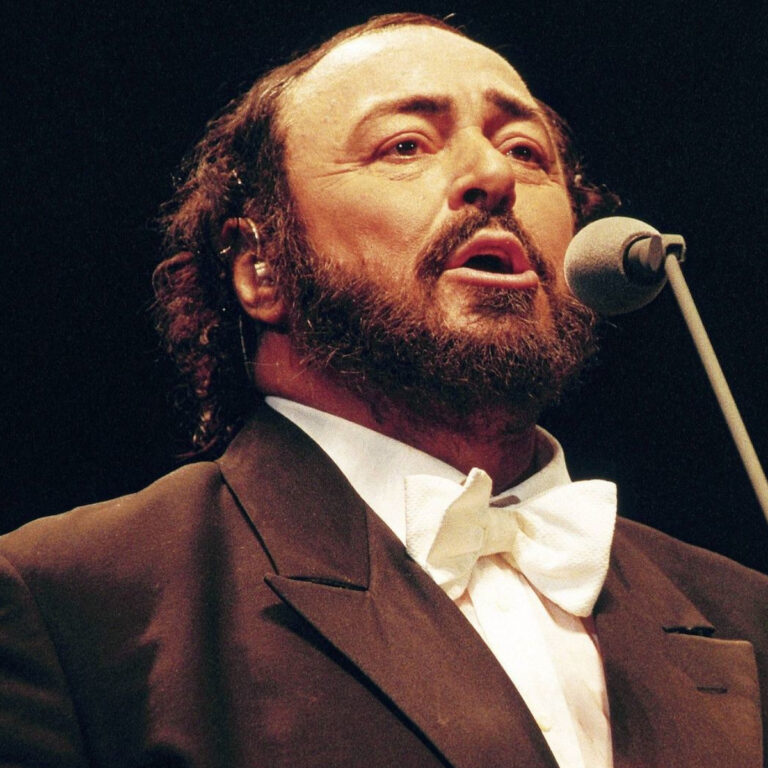
Luciano Pavarotti was a lyric tenor with a bright, forward-placed resonance that singers often call “ping.” Nicknamed the King of the High Cs, his signature lay in his brilliant tone and a covered high-note technique. This approach kept his upper range consistently sweet and free of tension.
Kurt Moll was a basso profondo with a deep, purring tone that resembled a contrabassoon. His remarkable vocal signature combined a massive low range with a surprisingly light, agile vibrato. This contrast between depth and agility made him completely one of a kind.

Contemporary Voices
Billie Eilish is instantly recognizable for her close-mic, breathy, and intimately conversational delivery. Her vocal signature feels like a private confession whispered directly to the listener.
Michael Jackson was known for sharp, rhythmic, staccato phrasing punctuated by breathy gasps and vocal hiccups. His vocal signature carried both precision and spontaneity in a way that felt deeply human.
Adele carries a warm, rich tone that shifts naturally into a powerful and emotionally raw belt. Her vocal signature feels like a live conversation with someone experiencing real emotion in real time.
Freddie Mercury brought theatrical, operatic range together with rapid vibrato and intense forward drive. His vocal signature made every performance feel like an event, not just a song.
Sara Bareilles uses long, smooth legato phrases interspersed with breathy moments of vulnerability. Rihanna belts with sharp, clean sounds that occasionally reveal a hint of grit. Justin Bieber layers a high, edgy tone with a smooth falsetto that creates a youthful, intimate energy.
| Notice that none of these singers sound like anyone else. That is not an accident. Each one spent years listening to themselves, refining their natural tendencies, and committing to what made them unique. |
The Key Elements of a Vocal Signature
A strong vocal signature rarely comes from just one quality. It emerges from several interconnected physical and artistic elements working together.
Understanding these elements gives you a clear map for exploring and developing your own vocal identity.
Each element below plays a specific role in shaping how you sound and how you are remembered.
Timbre and Tone
Timbre is the basic color or texture of your voice. It can be breathy, raspy, bright, warm, dark, or nasal.
Your timbre is heavily shaped by your physical anatomy, including the size and shape of your vocal tract and resonating chambers.
No two vocal tracts are identical. This means no two voices produce exactly the same timbre. Your natural timbre is the starting foundation of your vocal signature, and it is entirely yours.
Phrasing and Rhythm
Phrasing describes how you move through a melody and handle the words in a song. Some singers favor smooth, connected legato lines.
Others prefer punchy, separated staccato delivery. Your phrasing choices create a recognizable rhythmic personality in your voice.
The timing and spacing between your words often reveals your personality as an artist. Phrasing is where your musical instincts become most visible to a listener.
Dynamic Control
Dynamic control refers to how you manage volume, intensity, and emotional peaks within a song. The way you shift from a soft, vulnerable whisper to a full, powerful belt creates tension and release.
That arc of emotion is a critical part of your vocal signature.
Singers with strong dynamic control guide their listeners emotionally through the song.
The build and drop of intensity keeps the audience engaged from start to finish.
Vibrato and Vocal Ornaments
Vibrato is the natural oscillation in pitch that occurs on sustained notes. The speed, depth, and character of your vibrato contribute significantly to your vocal signature.
Some singers have a rapid, tight vibrato. Others carry a wide, slow, operatic wave.
Vocal ornaments include runs, flips, slides, trills, and stylistic cracks. These small embellishments add texture and individuality to your sound.
Used consistently, they become an expected and beloved part of your signature.
How to Develop Your Own Vocal Signature
Developing a vocal signature requires more than good technique. It requires a commitment to knowing yourself as an artist and making deliberate creative choices.
Many singers spend years trying to sound like their favorite artists. That phase is normal and even useful.
However, true artistic growth begins when you start listening carefully to your own voice and asking what makes it interesting and unique.
To cultivate and shape your own signature sound, try these actionable steps:
Step 1: Connect to Your Speaking Voice
Your most authentic vocal signature almost always starts with how you speak.
Your spoken voice carries your natural tone, pitch inflections, dialect, and emotional range. These traits are already uniquely yours.
Many singers sound unnatural because they completely abandon their natural speech characteristics when they sing.
Notice your pitch patterns, pronunciation, and emotional tone during regular conversation. Then, look for ways to bring those exact traits into your music.
Record yourself speaking naturally for a few minutes. Listen back and notice the specific colors and textures in your voice.
Pay attention to where your voice naturally sits in your range. Try to bring those same qualities into your singing.
Singers who disconnect their speaking voice from their singing voice often sound generic and unconvincing. Bridging that gap creates performances that feel real and personal.
Step 2: Stop Copying Other Singers Exactly
Studying your influences is essential. Imitation helps beginners learn technique and style. However, permanent imitation limits artistic growth and keeps you trapped in someone else’s identity.
Study your favorite singers but avoid becoming a duplicate.
At some point, you must intentionally step away from the source material. Ask yourself what you would do differently.
Find a version of the song that only you could sing and start experimenting with it.
Experiment with your own interpretation of the melody and lyrics through your own emotional perspective.
Try different vowel shapes, dynamics, and phrasing patterns. Change the phrasing slightly and shift the emotional emphasis.
This exploration is where your vocal signature begins to solidify. Over time, your individuality will become clearer.
Step 3: Choose Music Material That Matches Your Voice
Not every song suits every singer. Certain melodies naturally highlight your strongest vocal qualities.
The songs you perform also directly affect how your vocal signature develops.
Select songs that feel emotionally believable and technically comfortable. Choose music where the lyrics feel genuine coming from you.
Select melodies that complement your natural, comfortable range rather than forcing your voice into unnatural positions. Music should support your voice rather than fight against it.
When the material fits you well, your best qualities emerge naturally.
When it does not fit, you spend all your energy managing discomfort rather than expressing yourself.
Singers often discover their vocal signature much faster when they perform material that fits their personality and range.
Step 4: Experiment With Pronunciation and Expression
The way you pronounce words and form consonants is a surprisingly powerful part of your vocal signature.
Small pronunciation changes can create a memorable sound. Some singers soften their consonants, while others exaggerate them for a rhythmic effect.
Avoid defaulting to a generic, textbook vowel shape on every note. Instead, explore how your natural dialect or speech patterns can color your singing.
Experiment carefully with word shapes, breath placement, and emotional emphasis. These details can make your performances more distinctive.
Subtle shifts in how you form a vowel or release a consonant can make your phrasing feel instantly original.
This kind of wordplay is one of the most overlooked tools in developing a personal vocal identity.
However, make sure you avoid sounding forced or unnatural. Authenticity always matters more than gimmicks.
Step 5: Record, Listen, and Analyze Yourself Regularly
Recording and listening to yourself regularly is one of the best tools for vocal growth. It is one of the most valuable habits you can build as a singer.
Regular recordings allow you to hear your voice objectively. You can hear how you actually sound rather than what you feel in the moment.
Listening objectively helps you identify habits, strengths, and unique qualities.
Therefore, start recording your sessions and listen back to them with intention. Identify the raw, natural qualities that excite you.
Pay attention to moments that sound emotionally real and naturally expressive. Those moments often reveal your true vocal signature.
Notice any habits that sound forced or borrowed from other singers. Work to eliminate these generic tendencies and amplify the qualities that feel most uniquely yours.
A qualified vocal coach can also help you identify habits that block your authentic sound. Working with a skilled coach during this process accelerates your growth considerably.
A coach hears patterns you cannot hear yourself and helps you find the gold buried in your natural voice.
| Consistently documenting your vocal journey creates a personal archive of your artistic growth. Over time, listening to past recordings shows you exactly how your vocal signature has evolved and deepened. |
NOTE: Common Mistakes That Prevent Development of Vocal Signature
Many singers struggle to develop a vocal signature because of avoidable mistakes.
One common problem is excessive imitation. Constant copying weakens individuality and emotional authenticity.
Another issue involves overusing stylistic tricks. Too many runs, vocal flips, or forced raspiness can sound unnatural.
Fear also limits many singers. Some performers hide their real voice because they worry about judgment. Confidence plays a major role in vocal identity.
Poor technical foundations can create problems as well. Weak breath support and vocal tension often prevent natural expression.
Healthy technique should support individuality, not erase it.
Common Myths About Vocal Signatures
Several misconceptions prevent singers from embracing their own vocal signature.
In fact, many vocalists misunderstand what a vocal signature truly is. As a result, they often develop unhealthy habits or unrealistic expectations.
Ultimately, understanding the truth behind these common myths can help you build a more authentic and sustainable vocal identity.
By addressing these misconceptions directly, you will free yourself to develop your unique sound with much more confidence.
Myth 1: You Need a Perfect Voice to Have a Vocal Signature
Many singers believe that only technically flawless voices develop memorable vocal signatures. This belief stops many talented artists from expressing themselves freely.
What Is True and What You Should Do
Some of the most iconic singers in history carry imperfections in their voices. Raspy tones, breathiness, and subtle cracks are not flaws.
They are features that make a voice human and memorable. Listeners connect deeply with authenticity, not perfection.
A voice full of personality and emotional honesty leaves a far stronger impression than a polished voice with no heart behind it.
Focus on emotional honesty rather than chasing flawlessness. Embrace what makes your voice unique, including its imperfections. Technical skill supports your signature, but sincerity creates it.
Myth 2: You Must Sound Unusual to Stand Out
Some singers believe they need to sound strange or radically different from everyone else to develop a strong vocal identity. This pushes many artists toward forced and unnatural vocal choices.
What Is True and What You Should Do
A vocal signature does not require odd sounds or exaggerated stylistic choices.
Forcing artificial accents, unnecessary raspiness, or dramatic vocal tricks often makes a voice sound unnatural rather than distinctive.
True vocal identity grows from honest, consistent expression, not from trying to sound different.
Stop performing uniqueness and start expressing yourself genuinely. Develop your natural vocal habits through consistent practice. Over time, your authentic delivery will naturally set you apart.
Myth 3: Vocal Signature Is Only About Tone
Many singers focus entirely on tone quality as the defining feature of vocal signature. They overlook the many other elements that shape how a voice is recognized.
What Is True and What You Should Do
Tone plays an important role, but it is just one part of a larger picture. Phrasing, emotional delivery, dynamics, pronunciation, vibrato, and rhythmic feel all contribute to vocal identity.
Two singers can share similar tonal qualities yet sound completely different because of how they phrase a line or deliver an emotion.
Train and develop all dimensions of your voice, not just tone. Study how you phrase melodies, how you use dynamics, and how you deliver emotion. The combination of these elements builds a richer and more recognizable signature.
Myth 4: Copying Famous Singers Helps You Find Your Voice
Many beginners spend years imitating their favorite artists, believing that close imitation will eventually lead them to their own vocal identity.
What Is True and What You Should Do
Imitation is a useful starting point for learning technique and style. However, constant copying limits artistic growth.
Singers who spend too long trying to sound exactly like someone else weaken their originality and lose confidence in their natural voice.
Great singers draw inspiration from others but go on to develop their own interpretation and expression.
Use imitation as a learning tool, not a long-term strategy. Study the technique and approach of singers you admire, then step away and experiment with your own voice. Let your influences inform you rather than define you.
Myth 5: You Either Have a Vocal Signature or You Do Not
Some singers believe vocal signature is entirely natural, something you are simply born with or without.
This mindset leads many to give up on developing their artistic identity.
What Is True and What You Should Do
While natural vocal traits provide a starting point, artistic identity grows and develops over time.
Every song a singer learns, every coach they work with, and every performance they deliver adds new layers to their sound.
Singers at forty often carry far more compelling vocal signatures than they did at twenty, because experience, emotional depth, and deliberate artistic choices build the signature over time.
Commit to vocal training, emotional development, and self-reflection as ongoing practices.
The more you understand your voice and your artistic instincts, the clearer your vocal identity becomes. Growth is always possible.
Myth 6: More Vocal Tricks Equal More Personality
Many singers believe that layering runs, riffs, vocal cracks, and other stylistic effects will make them sound more interesting and unique.
What Is True and What You Should Do
Overusing vocal tricks often distracts listeners from the emotional core of a song.
Decoration has its place, but it should serve the music, not compete with it. True vocal personality comes from sincerity, control, and thoughtful expression.
A simple phrase delivered honestly can create more impact than a series of complex tricks.
Use vocal ornamentation with intention. Ask yourself whether each stylistic choice strengthens the emotional message of the song.
When in doubt, choose simplicity and clarity over complexity.
Myth 7: A Vocal Signature Should Never Change
Some artists fear evolving their sound. They believe that a strong vocal signature means staying consistent in exactly the same way forever.
What Is True and What You Should Do
Vocal signatures naturally evolve over time. Age, experience, emotional growth, and musical development all shape how a voice changes.
The core identity often remains recognizable, but mature singers continuously refine and expand their sound throughout their careers. Change is a sign of growth, not loss.
Welcome change as part of your artistic journey. Stay connected to the core qualities that define your voice while remaining open to growth.
Evolution strengthens a vocal signature rather than weakening it.
Myth 8: You Need a Wide Vocal Range to Have a Strong Signature
Many singers feel self-conscious about a limited vocal range. They assume a wide range is essential to developing a distinctive and powerful vocal identity.
What Is True and What You Should Do
Vocal range is just one element of technique, and it is far from the most important.
Many artists with modest ranges carry extremely powerful vocal signatures.
Their identity comes from tone, phrasing, emotional delivery, and consistency rather than from hitting high notes.
Work to use your existing range with maximum expression and intention.
A limited range delivered with brilliance, authenticity, and emotional depth is far more memorable than a wide range used without personality.
What Actually Works
In the end, a few core truths reveal what it actually takes to build a lasting and powerful vocal signature.
The singers who develop the strongest vocal signatures share one common habit.
They listen to themselves far more carefully than average singers do. These singers are students of their own voice, not just students of technique.
They also take risks. A vocal signature cannot develop inside a safe, predictable practice routine. You must be willing to experiment, to sound strange, to explore unfamiliar textures in your voice.
Some of those experiments will fail. A few will become the defining features of your sound.
The relationship between a singer and their vocal coach is also a critical factor. A good coach does not impose a sound on you. Instead, a great coach acts as a mirror.
Their job is to reflect your best natural qualities back to you so clearly that you can recognize and amplify them yourself.
Patience is essential in this process. A vocal signature does not crystallize overnight. It deepens gradually through consistent practice, honest self-evaluation, and the courage to trust what is naturally yours.
Your Vocal Signature Is Already There
The most encouraging truth about vocal signatures is that yours already exists. Your task is simply to find it, understand it, and nurture it.
Every singer carries a natural vocal identity shaped by their biology, their background, their emotional world, and their musical influences.
The work of developing your vocal signature is not about creating something from nothing. It is about excavating what is already uniquely yours.
Start by listening to yourself more deeply. Record your practice sessions. Sing material that moves you. Work with a coach who celebrates your natural voice rather than trying to shape you into someone else.
Experiment freely with phrasing, tone, dynamics, and ornamentation. Some experiments will feel wrong. Keep the ones that feel right. Those are the building blocks of your signature.
Study the great singers who inspire you. Learn what makes their vocal signatures so powerful and specific.
Then ask yourself the same questions about your own voice. What is most unmistakably yours? What makes your voice worth listening to?
The answers to those questions, explored with courage and consistency, will lead you directly to your vocal signature.
Develop it faithfully, and one day people will recognize your voice in the first few notes of a song, long before they see your name.
Keep developing your vocal signature with intention. You may one day find the world asking for it by name.
| Your vocal signature is a living, growing expression of who you are as an artist. It develops through consistent practice, honest self-expression, and a willingness to evolve. The most powerful voices are not always the most perfect ones. They are the ones that feel real. |
Final Thoughts on Vocal Signature
A powerful vocal signature comes from authenticity, technique, and emotional honesty. It is not something singers invent overnight.
It develops gradually through experience, experimentation, and self-discovery.
The most unforgettable singers embrace their natural qualities instead of hiding them. They refine their strengths while remaining emotionally truthful.
Your voice already contains unique characteristics. The challenge lies in recognizing and developing them with confidence and consistency.
Developing a vocal signature requires patience, self-awareness, and artistic honesty. The goal is not imitation. The goal is discovering your authentic voice.
Continue training your voice carefully. Record yourself often. Explore your emotions through music. Over time, your vocal signature will become clearer, stronger, and more recognizable.
At Phamox Music, we go all out for exactness and honesty. For this purpose, if by any means you found any possible glitch, be it factual, editorial, or something that we need to update, kindly contact us.
If you find the information provided in this post about “Vocal Signature” interesting and helpful, kindly share it with someone you know that might need it.